
Private jet rental prices in Philadelphia
Private jet rental prices in Philadelphia track aircraft class and distance more than any single posted fare. A turboprop runs $2,200 to $3,500 per flight hour on the low end. Operators at Northeast Philadelphia Airport set the rest of the math.
- 1airport
- 0priced routes
- Home
- Philadelphia
Philadelphia sits in a crowded airspace corridor, and that shapes what you can charter and when. Northeast Philadelphia Airport (PNE) is the general aviation field most charters here use, with a 7,000-foot runway and an elevation of just 120 feet, so a midsize jet bound for the Southeast or Midwest loads comfortably. The field's July density altitude of 2,000 feet and its 115-degree peak of 2,500 feet are mild compared with mountain airports, which means summer heat rarely forces a payload cut on the jets most renters book.
Most buyers here are not flying to a single obvious destination. Philadelphia travelers tend to split between shuttle runs up to New York and Boston, longer legs to Miami, Palm Beach, and Las Vegas, and one-way trips to Los Angeles that push into super-midsize range. When a route pushes past 2,100 nautical miles, so a midsize jet stops being the economical pick and a super-midsize takes over. That range figure is the line to watch, not the hourly rate.
Availability here moves with the calendar and the weather. Wet days peak at 13 in July and 12 in April and August, and the summer temperature climb from a 41-degree January average to an 87-degree July average pulls a lot of local demand toward the same weeks. If you book a Philadelphia charter in late July, so expect the thinnest aircraft supply and the least room to negotiate on price. The city's event calendar, from the annual Thanksgiving parade to the college move-in weeks, adds short spikes that a flexible date can avoid.
Four things drive what you actually pay. The aircraft class sets a floor, distance sets the multiplier, and deadhead repositioning adds a variable that depends on where the nearest operator sits. Because Philadelphia anchors a dense Northeast operator base, so an empty-leg flight to Miami or Las Vegas can post well under a standard one-way quote. Ask specifically about empty legs and repositioning fees when you request numbers.
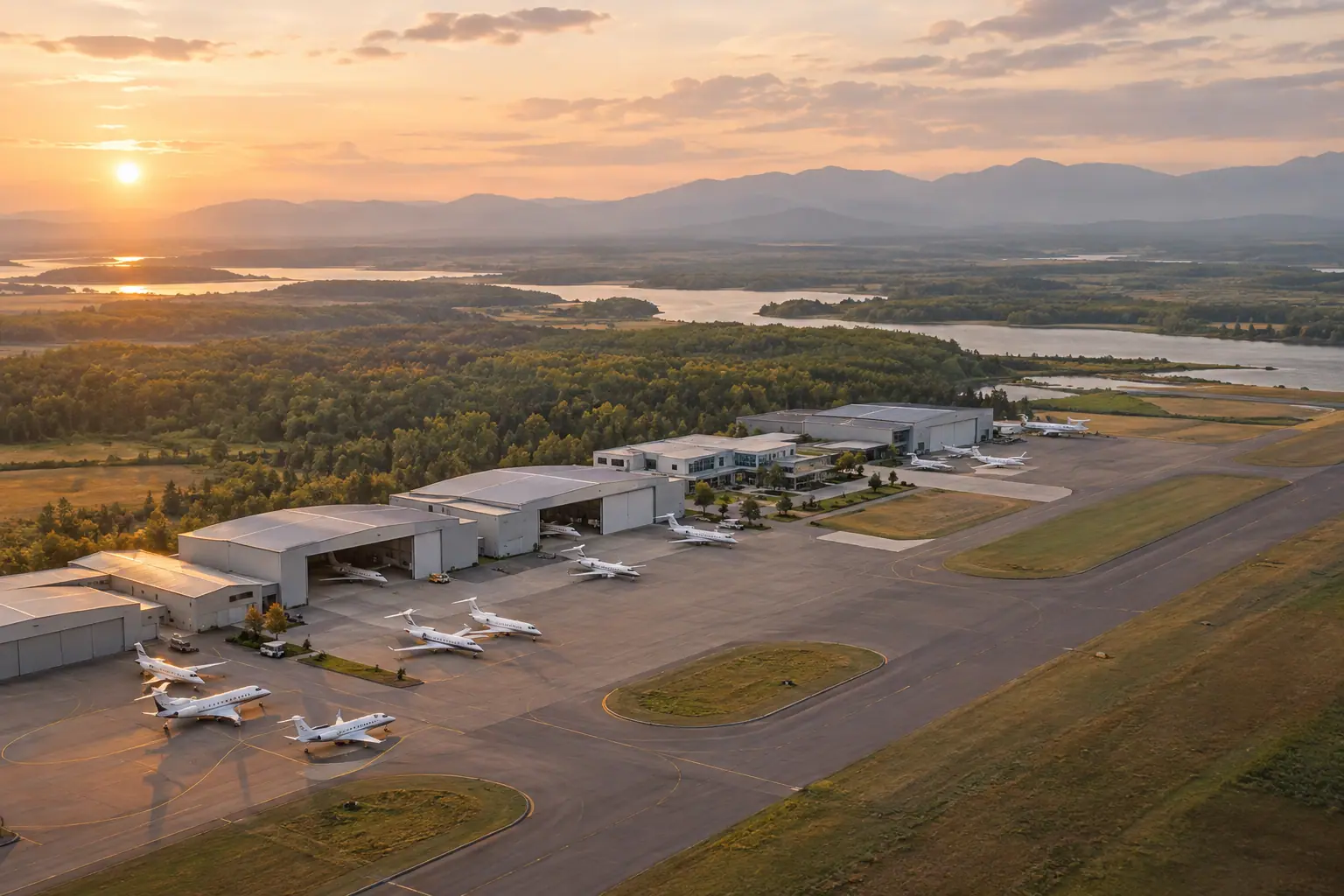
Airfields serving Philadelphia
How to rent a jet from Philadelphia
Size the trip against aircraft range
Match the flight to aircraft range rather than to hourly price, so you avoid a fuel stop. A light jet covers 1,400 nautical miles, a midsize 2,100, and a super-midsize 3,200, which decides whether your leg runs nonstop.
Request quotes on specific dates
Give operators your dates and passenger count, so the estimate reflects real positioning instead of a generic hourly rate. Prices you see are estimates until an operator confirms an aircraft for your window.
Confirm who holds operational control
Charter flights here are flown by FAA Part 135 operators who hold operational control, so the broker arranges and the operator flies. Ask for the operator's certificate before you sign anything.
Check international and security steps
When your trip crosses a border, so CBP clearance and passenger manifest rules apply before departure. Brokers act as agents under DOT Part 295, and TSA screening applies where the operator requires it.
Flying from Northeast Philadelphia
Northeast Philadelphia Airport carries the local charter traffic, so plan around PNE rather than the airline terminals. The field sits at 120 feet elevation with a 7,000-foot runway, an Atlantic Aviation FBO on site, and no commercial congestion to work around. Because PNE handles general aviation directly, so your departure and arrival avoid the terminal lines entirely. Summer heat is the one variable worth noting: July density altitude reaches 2,000 feet, and the 115-degree peak reaches 2,500 feet, both modest enough that most jets keep full payload. Wet weather clusters in July at 13 days and in April and August at 12, so a spring or late-summer date leaves the most room to shift if conditions turn.
| Monthly | Avg high | Wet days |
|---|---|---|
| Jan | 41°F | 10 |
| Feb | 45°F | 11 |
| Mar | 52°F | 11 |
| Apr | 63°F | 12 |
| May | 73°F | 11 |
| Jun | 82°F | 11 |
| Jul | 87°F | 13 |
| Aug | 85°F | 12 |
| Sep | 78°F | 10 |
| Oct | 67°F | 9 |
| Nov | 55°F | 8 |
| Dec | 46°F | 10 |
Price a city trip
Select a route, number of travelers and bags to view the suitable class, flight duration and an estimated price range.
Inquiries
What are private jet rental prices in Philadelphia per hour?
Private jet rental prices in Philadelphia start at $2,200 to $3,500 per hour for a turboprop and rise through light jets at $3,800 to $5,800, midsize at $5,200 to $7,800, super-midsize at $7,200 to $10,000, and heavy jets at $9,500 to $14,500. These are estimated hourly bands, not fixed fares, and the aircraft assigned to your date sets the final figure.
How far can a light jet fly from Philadelphia without a fuel stop?
A light jet covers about 1,400 nautical miles, so it handles the Northeast shuttle routes and much of the Midwest but not a nonstop run to the West Coast. A trip spanning 2,182 miles, such as the Philadelphia to Los Angeles distance, needs midsize range at 2,100 nautical miles or a super-midsize at 3,200.
Does summer heat reduce how much a jet can carry out of PNE?
Rarely at this field. Northeast Philadelphia Airport sits at 120 feet elevation, with a July density altitude of 2,000 feet and a 115-degree peak of 2,500 feet, both low enough that most jets keep full passenger and baggage loads. Mountain airports are where heat and altitude bite; PNE stays mild.
When is it hardest to find an aircraft in Philadelphia?
Late July is the tightest window. Wet days peak at 13 in July, the monthly average temperature reaches 87 degrees, and summer travel demand converges on the same weeks, so aircraft supply thins and negotiating room shrinks. Booking well ahead or shifting to a shoulder month gives you more options.
Can I find an empty leg or one-way charter from Philadelphia?
Yes, and it can post well below a standard one-way quote. Philadelphia sits inside a dense Northeast operator base, so repositioning aircraft frequently move empty toward Miami, Las Vegas, and Palm Beach. Ask your broker specifically about empty legs and one-way pricing when you request a quote; estimates vary by date and aircraft.
Who is responsible for the flight itself?
The charter flights are flown by FAA Part 135 operators, and that operator holds operational control of the aircraft and crew. Your broker arranges the trip and acts as your agent under DOT Part 295. For international legs, CBP clearance rules apply, and TSA screening applies where the operator requires it. Never assume the broker owns the aircraft.