
Private jet rental prices Washington, DC to New York
Private jet rental prices Washington, DC to New York run about $2,000 to $14,500 each way. A turboprop completes the 194 nautical miles in roughly 59 minutes. The extra money buys cabin, not much speed.
- 194 nm223 statute miles
- 0h 59mturboprop flight time
- $2,000–$3,500one-way estimate
Washington, DC to New York private jet prices by aircraft
Flying private from Washington, DC to New York spans 194 nautical miles, takes 0h 59m on a turboprop, and is estimated at $2,000–$3,500 one way.Five classes clear this route nonstop, and the spread between the cheapest and priciest option is more than sevenfold. The times below are block times for the 194-nautical-mile leg, so the difference between a turboprop and a heavy jet comes down to under a quarter hour. Prices are estimates per aircraft, not per seat, and they move with demand and repositioning.
| Aircraft class | Time en route | Estimated one-way | Notes |
|---|---|---|---|
| Turboprop | 0h 59m | $2,000–$3,500 | Best fit |
| Light jet | 0h 46m | $4,000–$6,000 | Nonstop |
| Midsize jet | 0h 46m | $5,000–$8,000 | Nonstop |
| Super-midsize jet | 0h 44m | $7,000–$10,000 | Nonstop |
| Heavy jet | 0h 44m | $9,500–$14,500 | Nonstop |
Figures are per aircraft, not per seat, excluding federal excise tax and segment fees. Block time covers taxi, climb and descent.
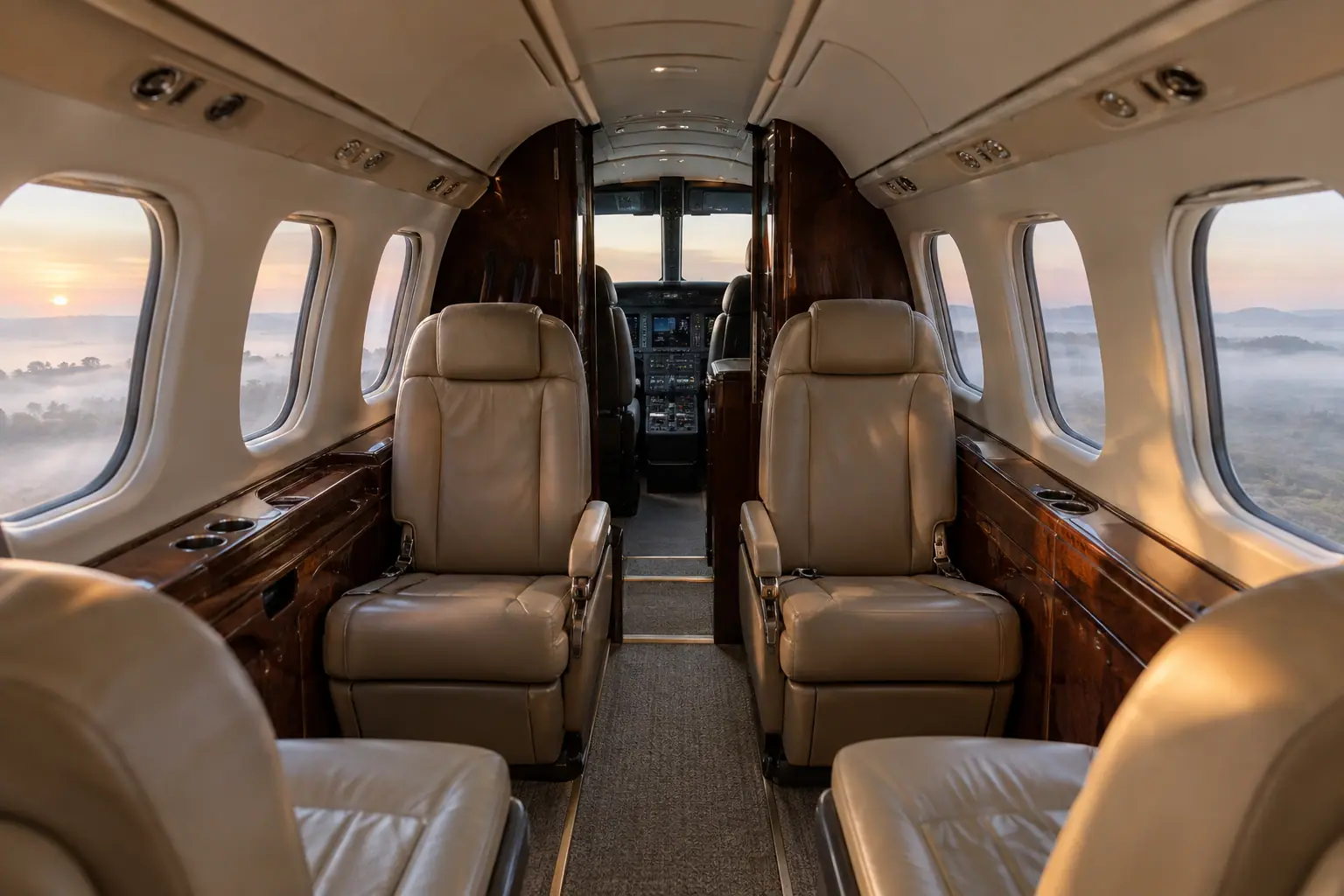
Why a turboprop fits this trip
A turboprop is the sensible buy on a 194-nautical-mile leg because the trip finishes in about 59 minutes and the quote range of $2,000 to $3,500 lands well under every jet option. The Beechcraft King Air 350i seats 8 with 55 cubic feet of baggage, and the Pilatus PC-12 NGX seats 6, so a small team plus luggage still fits. Paying for a light jet or midsize jet buys a shorter cabin and roughly 13 fewer minutes in the air, which is hard to justify when the door-to-door trip is already shorter than the airline version.
The alternatives matter if the Washington end of the trip is fixed at a field the turboprop cannot use comfortably, or if the party outgrows 8 seats. Light jets list at $4,000 to $6,000, midsize at $5,000 to $8,000, super-midsize at $7,000 to $10,000, and heavy jets at $9,500 to $14,500. On this distance those premiums buy cabin width, baggage volume, and stand-up headroom rather than time saved, since even the heavy jet only trims the leg to about 44 minutes. Ask what the extra money actually changes before you book.
Pilatus PC-12 NGX
- 6 seats
- 290 kt cruise
- 1,800 nm range
Cabin 4 ft 10 in tall, 16 ft 11 in long. Baggage 40 cu ft.
Daher TBM 960
- 6 seats
- 330 kt cruise
- 1,730 nm range
Cabin 4 ft tall, 13 ft 3 in long. Baggage 32 cu ft.

Leaving the Washington side
Washington Dulles International Airport carries an 11,500-foot runway and handles the larger aircraft in the fleet, so a heavy jet charter usually departs from Dulles rather than closer-in fields. Ronald Reagan Washington National Airport, with its 7,169-foot runway, suits turboprops and light jets but constrains heavier types. Dulles is the usual departure point for heavier jets heading from Washington to New York.
Where you start shapes the quote as much as the aircraft does. If your party is small and the bags are light, then a turboprop out of National can beat a jet out of Dulles on total cost once ground time is counted. Confirm the operator's own airport preference before you compare numbers, since repositioning to a different field is a cost that shows up on the invoice.
Arriving in New York
Teterboro Airport is the standard business-aviation gateway for Manhattan, with a 6,997-foot runway and a short drive across the Hudson, and Westchester County Airport serves the northern suburbs with 6,549 feet of runway. Neither is a commercial hub, which is the point: you skip the terminal crowds at LaGuardia and Kennedy. Teterboro puts you roughly a river away from Midtown Manhattan instead of a terminal walk from it.
Which field you use depends on where the day takes you. If the meeting is downtown or in Midtown, then Teterboro usually wins on total door-to-door time. If the destination is Westchester, Greenwich, or the northern suburbs, then White Plains saves the cross-town drive. Both are general aviation fields, so ground handling and ramp fees vary by operator and are worth asking about up front.
| Airport | Code | Runway |
|---|---|---|
| Teterboro Airport | KTEB / TEB | 6,997 ft |
| Westchester County Airport | KHPN / HPN | 6,549 ft |
| Washington Dulles International Airport | KIAD / IAD | 11,500 ft |
| Ronald Reagan Washington National Airport | KDCA / DCA | 7,169 ft |
When DC to New York prices peak
Demand on this corridor tracks the business calendar closely, so weekday mornings and Thursday afternoons are the tightest windows and the least forgiving on price. Booking midweek travel two to three weeks out tends to hold charter rates near the low end of the range. Holiday periods and major New York events compress availability further, and a heavy jet booked late on a peak date can land close to the top of its $9,500 to $14,500 band.
Same-day round trips are the other lever. If you can accept a fixed return window, then an operator holding the aircraft for the day may price the pair better than two separate one-way charters, because the alternative is an empty repositioning leg back to Washington. On this busy two-way corridor, empty legs surface but rarely suit a firm meeting time. Book the return when you book the outbound and you remove the risk of paying repositioning twice.
Private jet routes similar to Washington, DC to New York
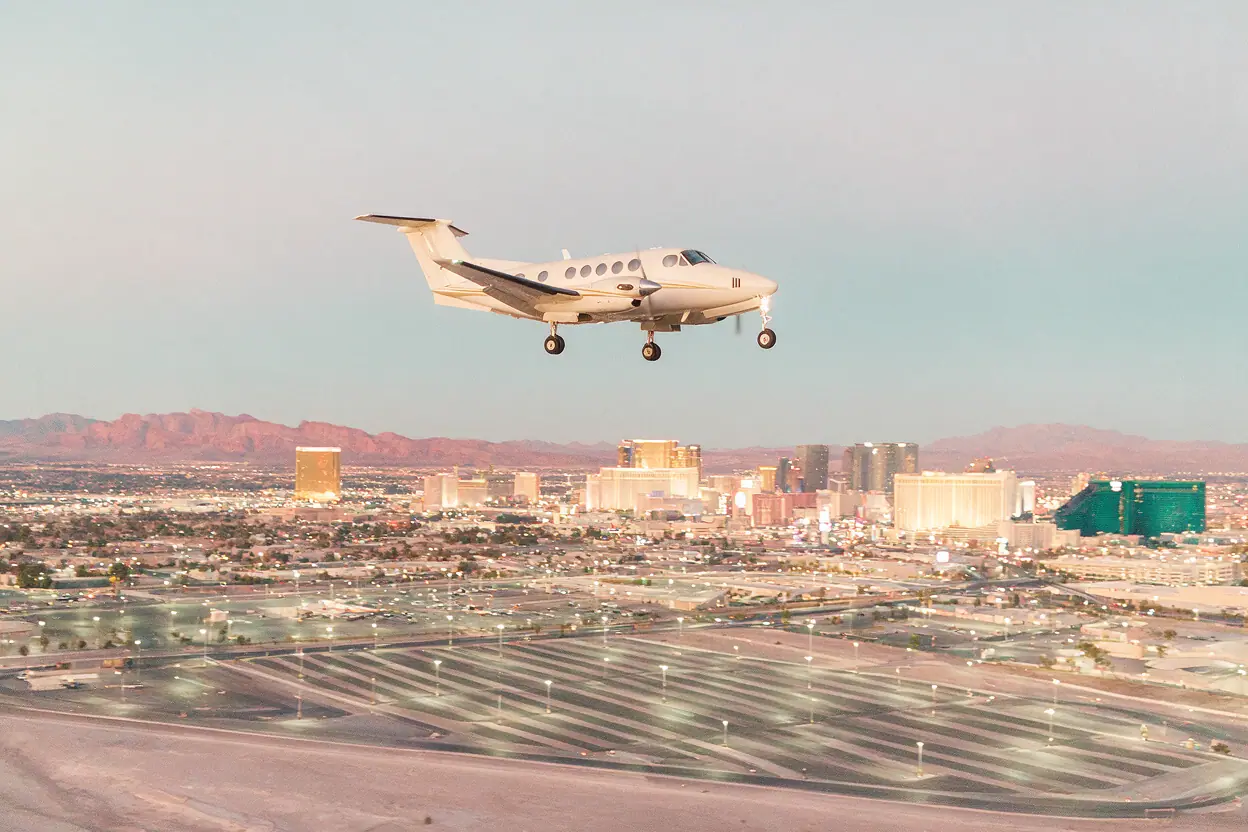
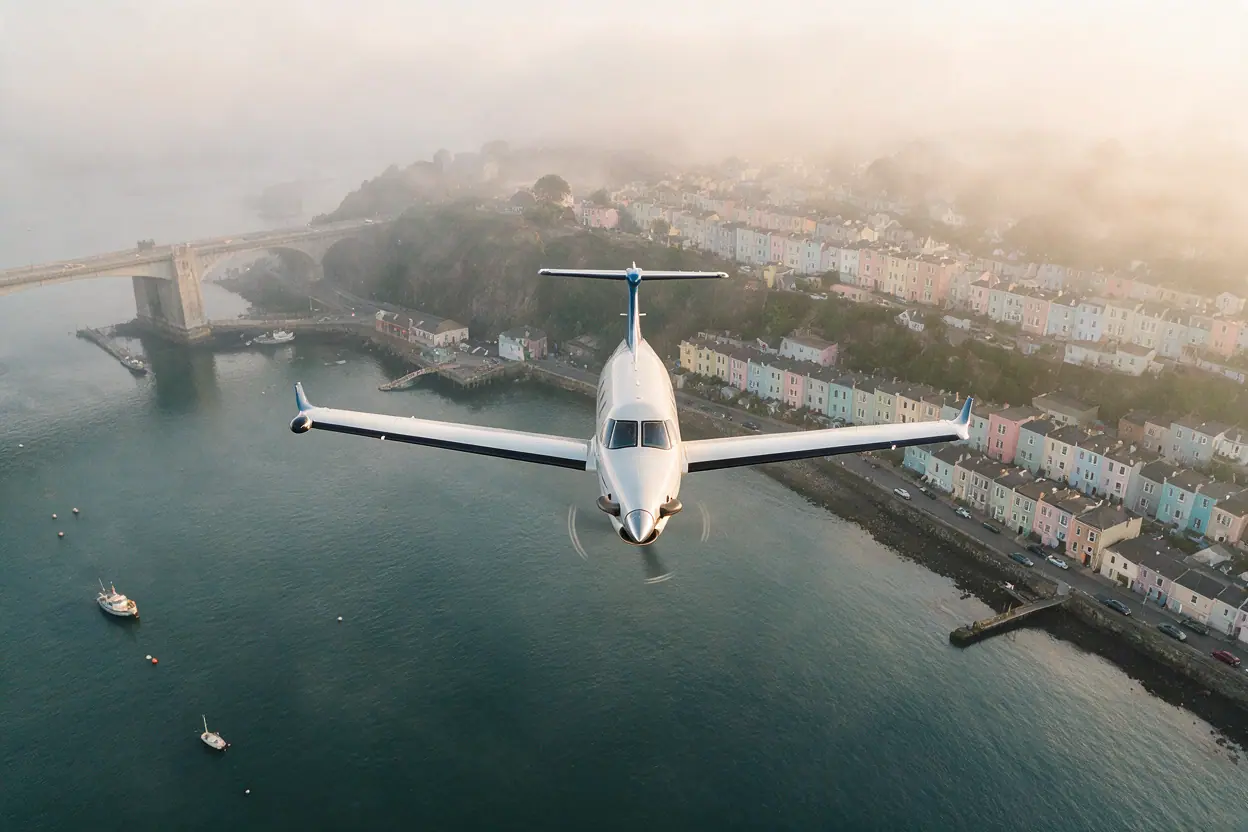
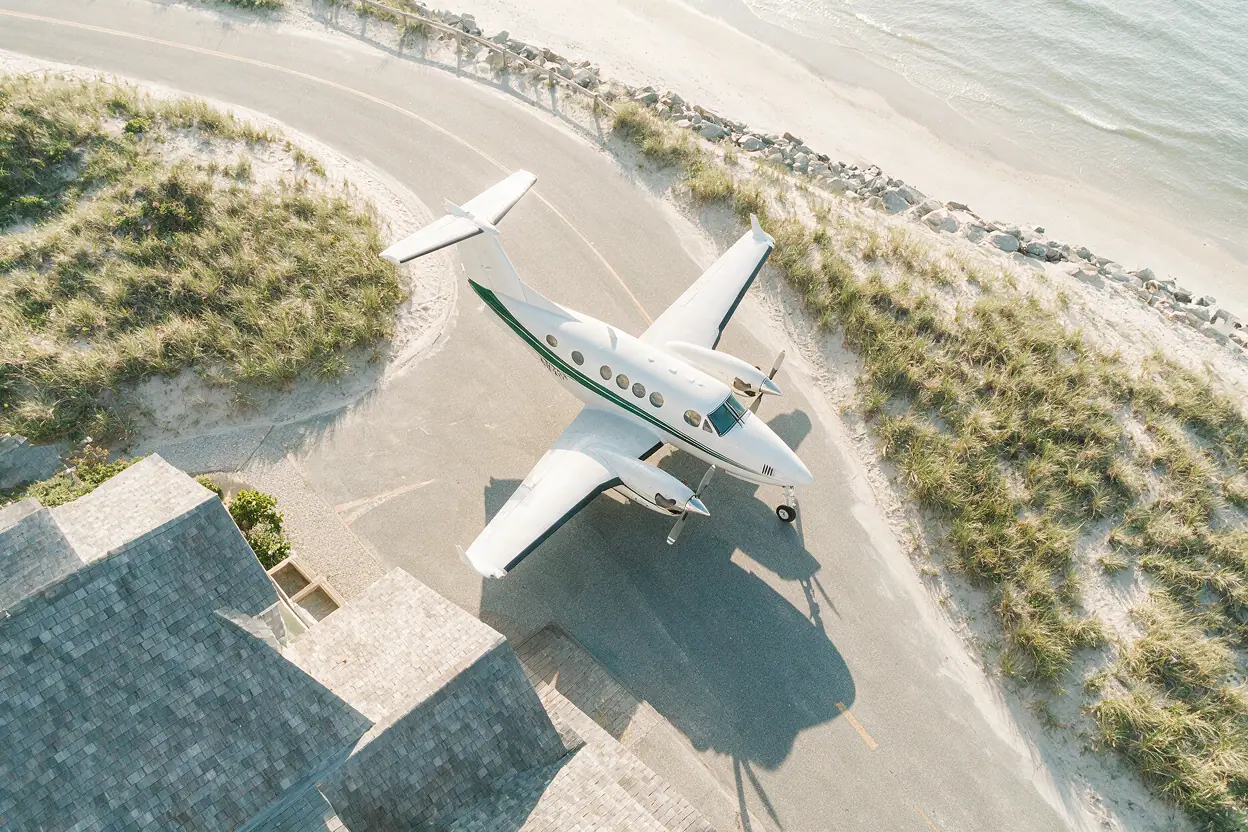
Across these 6 private jet routes, distance spans 82 to 279 nautical miles; one-way turboprop estimates range from $2,000 to $4,500.
Inquiries on this city pair
What are private jet rental prices Washington, DC to New York for a turboprop?
A turboprop runs about $2,000 to $3,500 each way over the 194-nautical-mile distance, making it the lowest-cost option on the corridor. The Beechcraft King Air 350i and Pilatus PC-12 NGX both fly it nonstop in roughly 59 minutes. Treat these as estimates: the final figure depends on the specific aircraft, crew duty time, and whether the return leg is booked with the same operator.
How long is the flight from Washington to New York by private jet?
A light jet or midsize jet covers the 194 nautical miles in about 46 minutes, while a turboprop takes roughly 59 minutes and a super-midsize or heavy jet trims it to about 44. Those are block times, so add taxi and ground handling at both ends. The practical spread between the fastest and slowest class on this route is under a quarter hour.
Which airports do charters use for Washington, DC to New York?
Departures typically use Dulles, with an 11,500-foot runway, or Reagan National at 7,169 feet. On the New York side, Teterboro serves Manhattan with a 6,997-foot runway and Westchester County Airport serves the northern suburbs at 6,549 feet. Your operator's fleet and the aircraft type determine which pairing makes sense. Ask before you compare quotes.
Is a private jet cheaper than flying commercial on this route?
Rarely per seat, but sometimes per trip once you count the whole day. At $2,000 to $3,500 for a turboprop carrying up to 8 people, the per-person figure can undercut a last-minute commercial fare, and door-to-door time is shorter than most airline journeys on this corridor. The case strengthens with a full cabin, checked bags, and a schedule that cannot absorb terminal time.
Do I have to book the return leg at the same time?
Booking both directions together is usually the better call, because a one-way charter here can leave the operator repositioning an empty aircraft back toward Washington. If you fix the return window when you book the outbound, then the pair is often priced more favorably than two separate one-ways. Empty legs do surface on this route but cannot be relied on for a fixed meeting time.
Who is responsible for the flight and who am I contracting with?
Charter brokers act as agents under DOT Part 295 authority and arrange the trip; the flight itself is flown by an operator holding FAA Part 135 certification, which carries operational control and the safety obligations that come with it. Ask for the operator's name before you sign. If a leg ever crosses into Canada, then CBP and TSA rules apply, though this domestic route stays inside U.S. airspace.